
Tag What are the 5 main elements of a healthy lifestyle?

Daily Health Routine

Daily Health Routine

A daily health routine is the foundation of a healthy, active, and productive life. In today’s busy world, many people ignore their health due to work pressure, stress, and poor lifestyle habits. However, maintaining good health does not require extreme effort or expensive plans. Simple daily habits, when practiced consistently, can improve physical, mental, and emotional well-being. A healthy routine helps the body function efficiently, boosts energy levels, strengthens immunity, and reduces the risk of chronic diseases. This article explores the importance of a daily health routine and provides a practical guide that anyone can follow to live a healthier and happier life.

Understanding a Daily Health Routine

A daily health routine consists of regular habits that support overall well being. These habits include waking up on time, eating nutritious food, staying physically active, managing stress, maintaining hygiene, and getting enough rest. A good routine balances the needs of the body and mind and promotes long-term health. The key to a successful health routine is consistency. Small positive actions performed daily create lasting benefits over time.

Importance of a Daily Health Routine

Following a daily health routine is essential for maintaining balance in life. It helps in preventing illness, improving mental clarity, and enhancing overall quality of life.

Improves Physical Health:

A structured routine supports proper digestion, circulation, and muscle function. Regular exercise and healthy eating strengthen the heart, bones, and immune system.

Enhances Mental Well Being:

Healthy routines reduce stress, anxiety, and depression. They improve focus, emotional stability, and self-confidence.

Increases Productivity:

When the body and mind are healthy, daily tasks become easier. A healthy routine improves concentration and performance at work or school.

Promotes Longevity:

Consistent healthy habits reduce the risk of chronic diseases such as diabetes, obesity, heart disease, and high blood pressure.

Morning Routine for Good Health

The way you start your day has a strong impact on your overall health and mood.

Wake Up Early:

Waking up early allows your body to follow its natural biological clock. It improves energy levels, mental clarity, and productivity throughout the day.

Drink Water:

Drinking a glass of warm water after waking up helps flush out toxins, improves digestion, and rehydrates the body after sleep.

Practice Hygiene:

Brushing teeth, washing the face, and maintaining personal hygiene protect against infections and promote freshness.

Light Stretching or Exercise:

Morning exercise improves blood circulation, wakes up the muscles, and boosts metabolism. Simple stretches, yoga, or a short walk can be very effective.

Mindfulness or Meditation:

Spending a few minutes on meditation, deep breathing, or prayer calms the mind and reduces stress.

Healthy Eating Habits Throughout the Day

Nutrition plays a major role in maintaining a daily health routine.

Eat a Nutritious Breakfast:

Breakfast is the most important meal of the day. A healthy breakfast provides energy and improves concentration. Include foods like fruits, eggs, whole grains, and dairy products.

Balanced Meals:

Lunch and dinner should include a balance of carbohydrates, proteins, healthy fats, vitamins, and minerals. Avoid overeating and choose fresh, natural foods whenever possible.

Healthy Snacks:

Instead of processed snacks, choose healthy options such as nuts, yogurt, fruits, or seeds to maintain energy levels.

Stay Hydrated:

Drinking enough water throughout the day is essential for digestion, skin health, and overall body function. Limit sugary drinks and caffeinated beverages.

Role of Physical Activity in Daily Routine

Regular physical activity is essential for maintaining health and fitness.

Daily Exercise:

At least 30 minutes of moderate exercise daily helps maintain weight, strengthens muscles, and improves heart health. Walking, jogging, cycling, or home workouts are great options.

Active Lifestyle:

Simple activities such as using stairs, walking short distances, and doing household chores contribute to daily physical movement.

Stretching and Mobility:

Stretching exercises reduce muscle stiffness, improve flexibility, and prevent injuries.

Mental Health and Stress Management

Mental Health and Stress Management

Mental health is just as important as physical health.

Manage Stress:

Chronic stress affects the immune system and overall health. Relaxation techniques such as deep breathing, meditation, and listening to calming music help reduce stress.

Take Breaks:

Short breaks during work or study refresh the mind and prevent burnout.

Stay Positive:

Positive thinking and gratitude improve emotional well-being and mental strength.

Healthy Habits During Work or Study Hours

Maintaining health while working or studying is often challenging but necessary.

Proper Posture:

Maintaining good posture prevents back pain and muscle strain, especially for people who sit for long hours.

Eye Care:

Take regular breaks from screens to reduce eye strain. Follow the 20-20-20 rule: every 20 minutes, look at something 20 feet away for 20 seconds.

Avoid Long Sitting:

Standing up and stretching every hour improves circulation and reduces stiffness.

Evening Health Routine

The evening routine helps the body relax and prepare for rest.

Light Physical Activity:

A short walk after dinner improves digestion and relaxes the body.

Limit Screen Time:

Reducing screen exposure before bedtime improves sleep quality and mental relaxation.

Family and Social Time:

Spending time with family or loved ones improves emotional health and reduces stress.

Importance of Sleep in a Daily Health Routine

Sleep is a vital part of a healthy routine.

Get Enough Sleep:

Adults should aim for 7 8 hours of quality sleep each night. Proper sleep supports memory, immunity, and energy levels.

Maintain a Sleep Schedule:

Going to bed and waking up at the same time daily improves sleep quality.

Create a Relaxing Environment:

A quiet, dark, and comfortable sleeping environment promotes deep and restful sleep.

Daily Hygiene and Cleanliness

Good hygiene prevents infections and promotes overall health.

  • Wash hands regularly

  • Maintain oral hygiene

  • Keep living spaces clean

  • Wear clean clothes

These simple habits protect against diseases and improve confidence.

Avoiding Unhealthy Habits:

A healthy routine also involves avoiding harmful habits.

  • Avoid smoking and excessive alcohol consumption

  • Reduce junk food and sugary snacks

  • Limit excessive screen time

Replacing unhealthy habits with positive ones leads to long-term benefits.

Tips to Build and Maintain a Daily Health Routine:

  • Start with small, achievable habits

  • Be consistent and patient

  • Set realistic goals

  • Track progress

  • Stay motivated

Consistency matters more than perfection.

Conclusion:

A daily health routine is not about strict rules or perfection. It is about making conscious, healthy choices every day. Simple habits such as eating nutritious food, staying active, managing stress, maintaining hygiene, and getting enough sleep create a strong foundation for long term health. By following a balanced daily health routine, you can improve physical strength, mental clarity, emotional balance, and overall quality of life. Remember, good health is the greatest wealth, and taking care of it daily ensures a happier, longer, and more fulfilling life.more info…
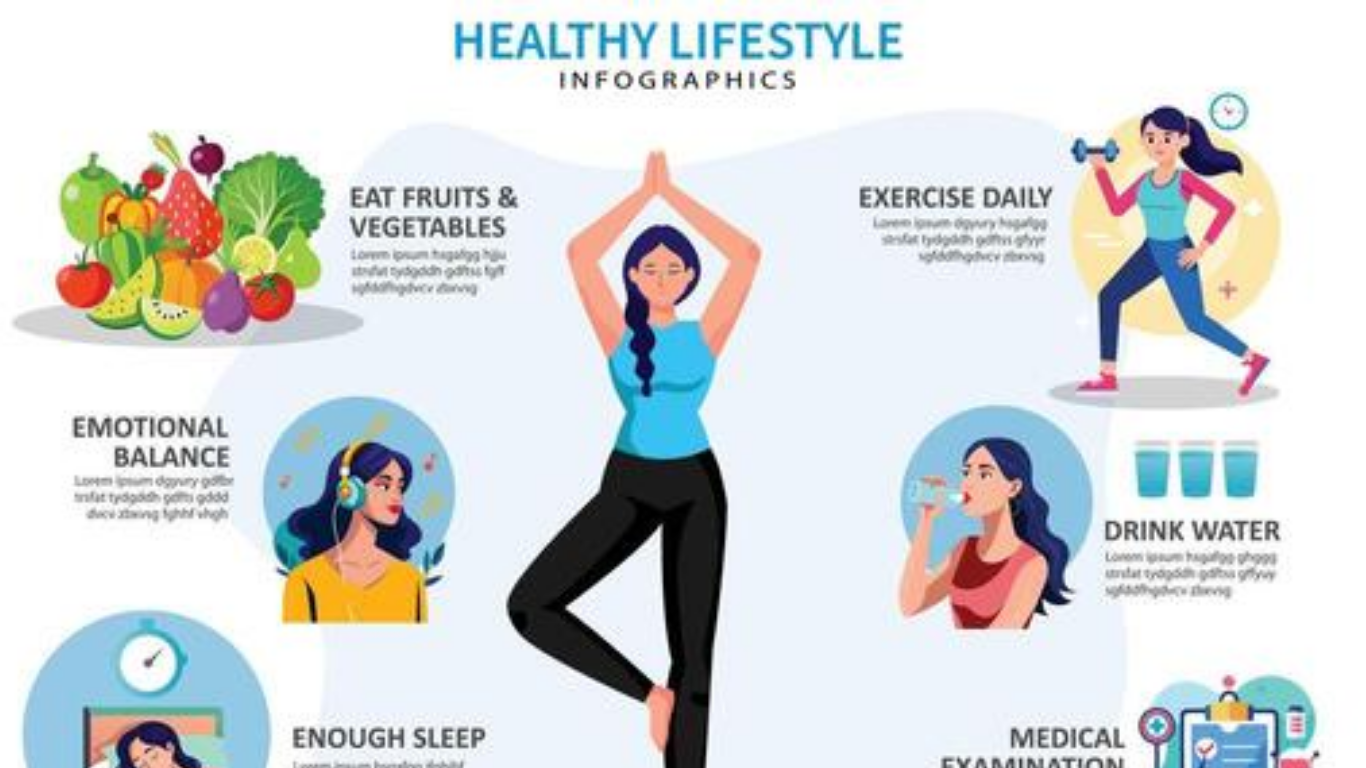
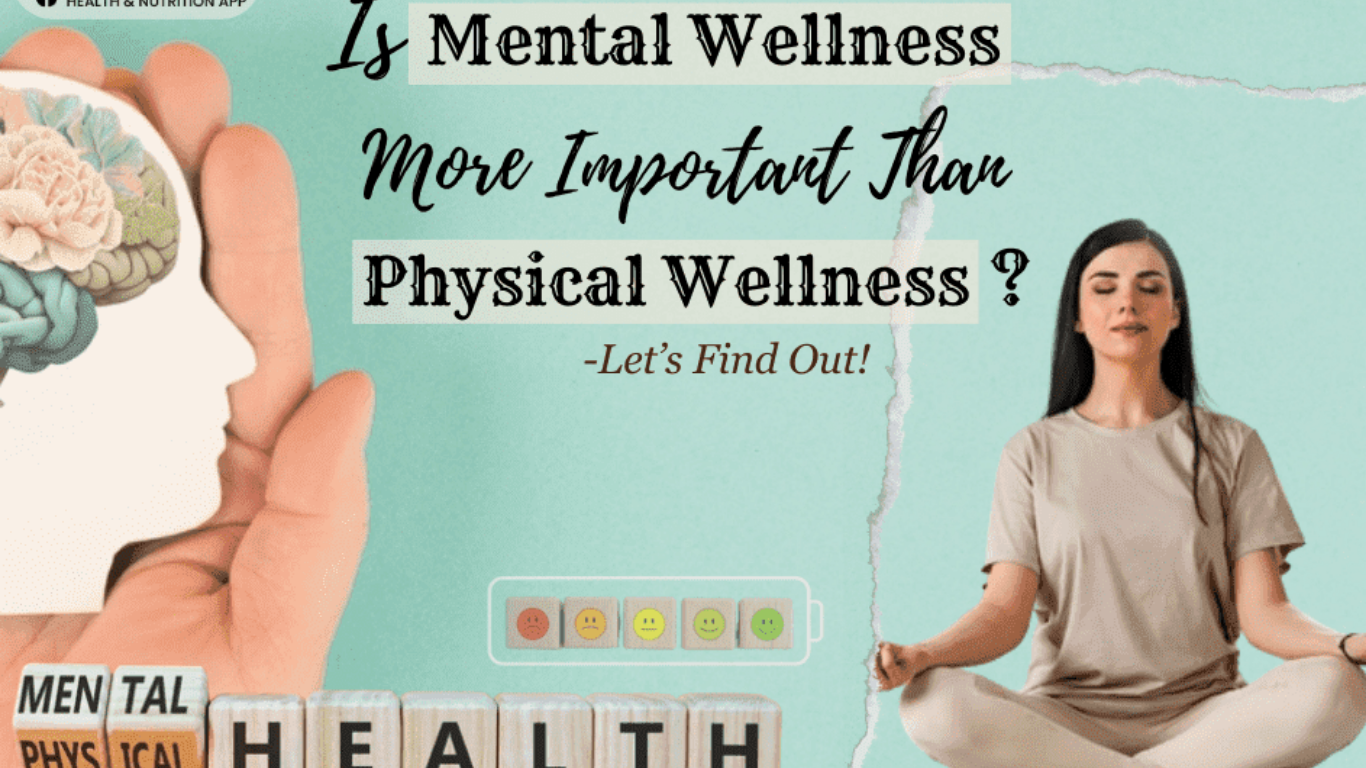
Healthy Lifestyle

Healthy Lifestyle

A healthy lifestyle is not just about eating the right foods or exercising regularly; it is a way of living that improves your physical, mental, and emotional well being. In today’s fast-paced world, many people ignore their health due to busy schedules, stress, and unhealthy habits. However, adopting a healthy lifestyle can help prevent diseases, increase energy levels, and improve overall quality of life. This article explores the importance of a healthy lifestyle and provides practical tips to achieve and maintain it.

What Is a Healthy Lifestyle

A healthy lifestyle refers to making daily choices that promote good health and reduce the risk of illness. It includes balanced nutrition, regular physical activity, adequate sleep, mental wellness, stress management, and avoiding harmful habits such as smoking and excessive alcohol consumption. Living a healthy lifestyle does not require extreme changes; small, consistent efforts can make a big difference over time.

Importance of a Healthy Lifestyle

Living a healthy lifestyle has numerous benefits that affect every aspect of life. Some key benefits include:

  • Improved physical strength and immunity

  • Better mental clarity and emotional stability

  • Reduced risk of chronic diseases

  • Increased life expectancy

  • Improved self confidence and mood

By making healthier choices, individuals can enjoy a more active, productive, and fulfilling life.

Balanced Nutrition  Fuel for the Body

Importance of Healthy Eating

Nutrition plays a vital role in maintaining a healthy lifestyle. The food we eat provides the energy and nutrients our bodies need to function properly. A balanced diet helps maintain a healthy weight, supports the immune system, and reduces the risk of diseases such as diabetes, heart disease, and obesity.

Components of a Balanced Diet

A healthy diet should include:

  • Fruits and Vegetables: Rich in vitamins, minerals, and antioxidants

  • Whole Grains: Provide fiber and long-lasting energy

  • Lean Proteins: Such as fish, chicken, beans, eggs, and nuts

  • Healthy Fats: Found in olive oil, avocados, and nuts

  • Dairy or Alternatives: For calcium and bone health

Tips for Healthy Eating

  • Eat fresh and home cooked meals whenever possible

  • Avoid processed and junk foods

  • Control portion sizes

  • Drink plenty of water throughout the day

  • Reduce sugar and salt intake

Physical Activity  Keep Your Body Moving

Benefits of Regular Exercise

Regular physical activity is essential for maintaining a healthy body and mind. Exercise helps improve cardiovascular health, strengthens muscles and bones, boosts metabolism, and enhances mood. It also reduces stress, anxiety, and depression.

Types of Physical Activity

You don’t need to go to the gym every day to stay active. Simple activities can be very effective, such as:

  • Walking or jogging

  • Cycling

  • Yoga and stretching

  • Swimming

  • Home workouts

How Much Exercise Is Enough?

Experts recommend at least 30 minutes of moderate exercise five days a week. Even small activities like taking the stairs or walking short distances can contribute to better health.

Mental Health and Emotional Well Being

Importance of Mental Health

Mental Health and Emotional Well

A healthy lifestyle is incomplete without good mental health. Mental well being affects how we think, feel, and behave in daily life. Stress, anxiety, and negative emotions can impact physical health if not managed properly.

Ways to Improve Mental Health

  • Practice mindfulness and meditation

  • Stay connected with family and friends

  • Take breaks from work and social media

  • Engage in hobbies and creative activities

  • Seek professional help when needed

Maintaining a positive mindset and emotional balance helps in dealing with life’s challenges more effectively.

Quality Sleep  The Foundation of Good Health

Why Sleep Matters

Sleep is essential for physical recovery, brain function, and emotional regulation. Poor sleep can lead to fatigue, poor concentration, weight gain, and weakened immunity.

Tips for Better Sleep

  • Maintain a consistent sleep schedule

  • Avoid screens before bedtime

  • Create a calm and comfortable sleeping environment

  • Avoid caffeine late in the day

  • Practice relaxation techniques before sleeping

Adults should aim for 7 9 hours of quality sleep each night.

Stress Management in a Healthy Lifestyle

Impact of Stress on Health

Chronic stress can cause serious health problems, including high blood pressure, heart disease, digestive issues, and mental disorders. Managing stress is a crucial part of a healthy lifestyle.

Effective Stress Reduction Techniques

  • Deep breathing exercises

  • Regular physical activity

  • Meditation and yoga

  • Time management

  • Spending time in nature

Learning how to manage stress improves overall well being and emotional resilience.

Avoiding Harmful Habits

Smoking and Alcohol

Smoking and excessive alcohol consumption are major threats to health. They increase the risk of cancer, heart disease, liver damage, and respiratory problems.

Making Healthier Choices

  • Quit smoking or avoid it altogether

  • Limit alcohol intake

  • Avoid drug abuse

  • Choose healthier alternatives for relaxation and entertainment

Eliminating harmful habits significantly improves long term health and life expectancy.

Maintaining a Healthy Weight

Maintaining a healthy weight reduces the risk of many chronic diseases. A combination of balanced nutrition, regular exercise, and healthy habits helps achieve and maintain a healthy body weight. Crash diets and extreme measures should be avoided, as they can harm the body.

Role of Hydration in a Healthy Lifestyle

Water is essential for digestion, circulation, temperature regulation, and toxin removal. Dehydration can cause headaches, fatigue, and poor concentration. Drinking at least 8 10 glasses of water daily helps keep the body hydrated and functioning properly.

Social Health and Relationships

Strong social connections contribute to emotional happiness and mental health. Spending time with loved ones, building supportive relationships, and engaging in community activities enhance overall well being. A healthy lifestyle includes nurturing positive social interactions.

Healthy Lifestyle for Long Term Success

Adopting a healthy lifestyle is a lifelong commitment. It requires consistency, patience, and self discipline. Setting realistic goals, tracking progress, and celebrating small achievements can help maintain motivation.Simple Steps to Start Today

  • Eat one healthy meal a day

  • Walk for 20 30 minutes

  • Drink more water

  • Sleep earlier

  • Reduce screen time

Small changes practiced daily lead to long lasting results.

                                           Conclusion:

A healthy lifestyle is the foundation of a happy and fulfilling life. By focusing on balanced nutrition, regular physical activity, mental well being, quality sleep, stress management, and positive habits, individuals can significantly improve their health and overall quality of life. It is never too late to start making healthier choices. Remember, a healthy lifestyle is not about perfection it is about progress. Start today, stay consistent, and enjoy the journey toward a healthier and happier life.More info…

error: Content is protected !!